
Afghanistan
3providersonline
UR is an open source protocol powering network infrastructure, maintained by its community.For URnetwork products (eg. VPN), go to ur.io

Capture the flag starts with epoch 8, at block 9,600,028, about November 27, 18:25 UTC.
Providers and extenders in every country
Mine as a provider or an extender, with the miner or the free URnetwork app, and you can win weekly crypto rewards wherever you are. Every SN25 network operator runs a capture the flag pool beside its provider pool, with ten slots in every country each epoch (one week): five for providers and five for extenders. A slot nobody wins rolls into the country's pot at that operator, and each winner there takes its slot and a fifth of the pot. Each operator's draw picks up to five winners per country and role, and with five entries or fewer, every entry wins a slot.
Every network operator has five provider slots and five extender slots in every country each epoch, from epoch 8. Pick yours to see what is up for grabs there.
Stay online in your country for at least half the epoch to enter your operator's draw. Your existing payout wallet is used.























































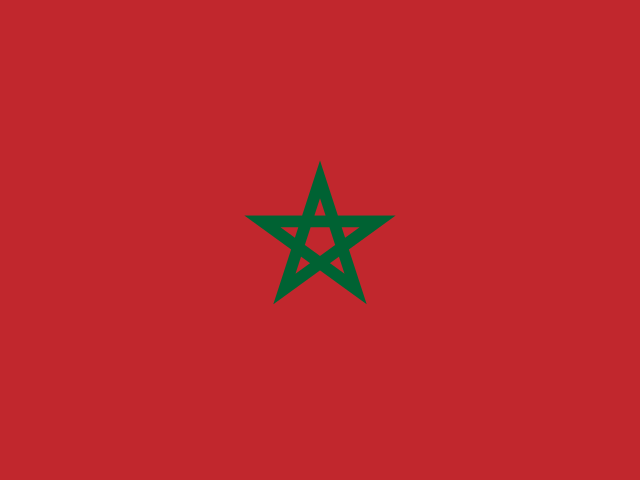
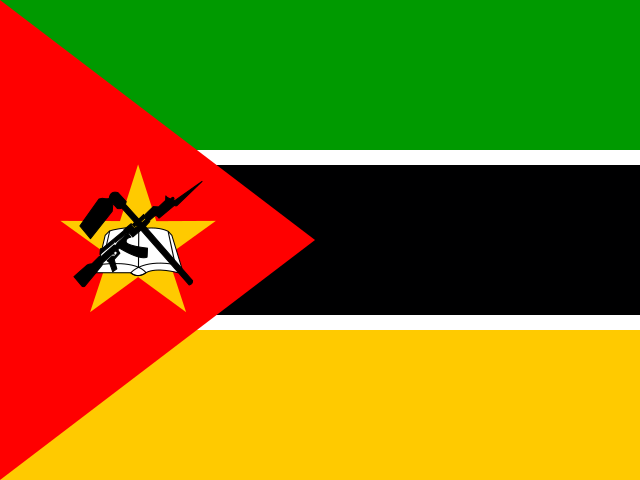
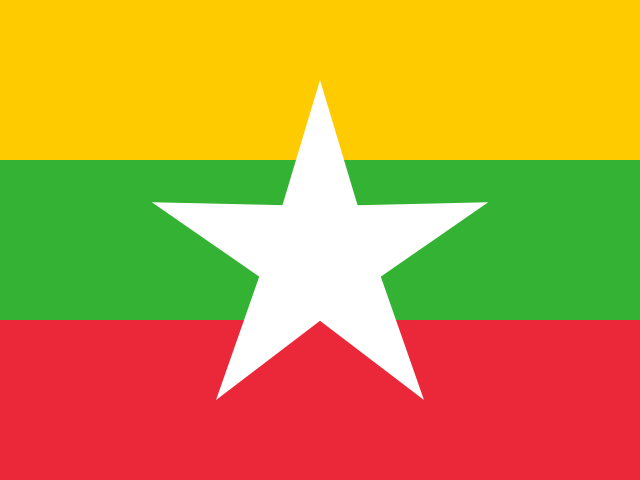
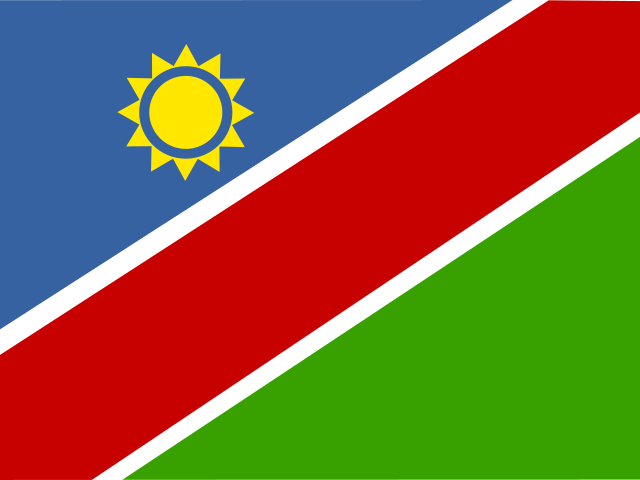




































Run a provider or an extender in the country, with any network operator, for at least half the epoch, and be online when it ends. Your network's existing payout wallet is used, so there is nothing new to sign.
When the epoch ends, each network operator commits the list of its eligible miners on chain. A public drand round then picks up to five winners per country for each role from that list. With five or fewer entries, everyone wins. Miners in one /29 or /48 share a single ticket.
Each winner takes its slot and a fifth of the country's pot, so staying several epochs captures most of a big pot. The alpha accrues to your wallet in your operator's capture the flag pool, and you claim it with your pool earnings, in the app or with the miner.
A weekly reward that is part of the protocol of Bittensor subnet 25 (UR): every network operator runs a capture the flag pool beside its provider pool, with five provider slots and five extender slots in every country each epoch (one week), and winners are paid in alpha, the subnet's token. A slot that nobody wins adds its amount to that country's pot, so a newcomer to an empty country takes a fifth of the pot every epoch it stays. It starts with epoch 8, at about 18:25 UTC on November 27, 2026.
Run a miner or the free URnetwork app as a provider or an extender, keep it online in your country for at least half the epoch, and be online when it ends. Each operator's public draw then picks up to five winners per country for each role, and with five entries or fewer, everyone wins.
A slot is worth its operator's fresh capture the flag funding for the epoch divided by 2,490: about 0.048 α at epoch 4's scale, an illustration rather than a forecast, and a winner in a country with a pot also takes a fifth of that pot. Amounts change every epoch with the network's emission and with how many people run in each country, and alpha's price moves. Nothing is guaranteed.
Neither, quite. A miner, or the app, runs in the background on a computer or phone you already have, but it earns only while it stays online. It is not a job, with no employer, hours or wage, and not an investment, with no fixed return.
Winnings go to the payout wallet your miner or app already uses, in your operator's capture the flag pool, and you claim them with your pool earnings. Local law where you live applies to what you earn and how you cash it out.
A provider shares your internet connection with the people who use the network. An extender is a relay for people who cannot reach the network directly, for example behind censorship. The miner and the desktop app run both by default, and one device can win in both roles. An extender works only where the internet can reach your computer on TCP port 443: Run an extender says how to open it, and mining on SN25 covers the rest of what a miner needs.
When the epoch ends, each network operator commits the list of its eligible miners on chain. A drand round published after that commitment then picks the winners, so nobody, the operator included, can choose them. Every draw can be checked against its census and its round.
Yes. From epoch 8, the numbers on this page add up the public JSON every network operator serves at /sn/ctf, documented in sn/api/operator.yml, with times in UTC and amounts in α; the operator list names each operator's API. They change once an epoch.